

Search Engine Optimization (SEO) is one of the most powerful ways to bring free organic traffic to a website. Among the different types of SEO, On Page SEO plays the most important role because it directly affects how search engines understand and rank your content.
If you want your website or blog to rank on the first page of Google, learning On Page SEO is essential.
In this complete guide, you will learn:
- What is On Page SEO
- Why On Page SEO is important
- Important On Page SEO factors
- Step-by-step On Page SEO techniques
- Common mistakes to avoid
- Best tools for On Page SEO
This guide is written in simple English so beginners can easily understand and implement it.
What is On Page SEO?
It refers to the process of optimizing individual pages of a website so they can rank higher in search engine results and attract more organic traffic.
In simple words:
On Page SEO = Optimizing the content and HTML elements of a webpage for search engines and users.
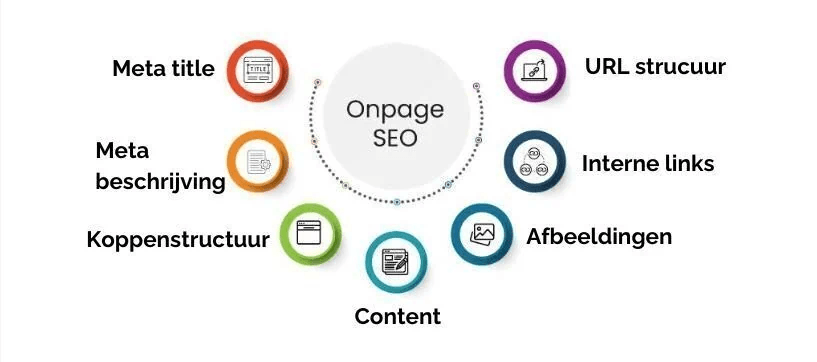
It includes optimizing things like:
- Title tags
- Meta descriptions
- Headings
- Content
- Keywords
- Images
- Internal links
- URL structure
- Page speed
- Mobile friendliness
Unlike Off Page SEO, which focuses on backlinks and external signals, It focuses on improvements inside the website.
Also Read: What is SEO | Complete Guide for Beginners
Why On Page SEO is Important?
Many website owners think backlinks are everything. But the truth is:
Without strong On Page SEO, even backlinks cannot rank your website.
Here are the main reasons why On Page SEO is important.
1. Helps Google Understand Your Content
Search engines cannot read content like humans. They rely on signals such as:
- Keywords
- Headings
- Structure
- Internal links
It helps search engines understand:
- What your page is about
- Which keywords it should rank for
- Whether the content is useful or not
Also Read: YouTube Backlink Generator: Complete Guide to Grow Your Channel Fast
2. Improves Search Rankings
Well-optimized pages have a better chance of ranking in search results.
For example:
A blog that follows proper On Page SEO practices can rank on the first page of Google even with fewer backlinks.
3. Improves User Experience
It is not only about search engines. It also improves user experience, which is a ranking factor.
Good On Page SEO ensures:
- Easy readability
- Fast loading pages
- Mobile friendly layout
- Clear content structure
4. Increases Organic Traffic
When your page ranks higher in Google, more people will find and visit your website.
This leads to:
- More traffic
- More leads
- More conversions
- More sales
Also Read: Must Have WordPress Plugins: Boost Your Website in 2026
Important Elements of On Page SEO
To properly optimize a webpage, you must understand the key elements of On Page SEO.
These elements work together to help search engines rank your page.
1. Keyword Research
Keyword research is the foundation of On Page SEO.
Before writing content, you must know:
- What people are searching for
- Which keywords have traffic
- Which keywords have low competition
Types of Keywords
1. Short Tail Keywords
Example:
SEO
Digital marketing
On page SEO
These keywords have high search volume but also high competition.
2. Long Tail Keywords
Example:
- What is on page SEO
- On page SEO techniques
- On page SEO checklist
Long tail keywords are easier to rank for and bring targeted traffic.
Best Keyword Research Tools
Some popular keyword research tools include:
- Google Keyword Planner
- Ahrefs
- SEMrush
- Ubersuggest
- Google Search Suggestions
Using the right keywords helps Google understand your content better.
2. SEO Friendly Title Tag
The title tag is one of the most important ranking factors.
It appears as the blue clickable title in Google search results.
Example:
On Page SEO – Complete Guide for Beginners
Tips to Optimize Title Tags
- Include your main keyword
- Keep title under 60 characters
- Make it attractive and clickable
- Add numbers or power words
Example:
Best On Page SEO Techniques to Rank #1 on Google
3. Meta Description Optimization
The meta description is the short description shown below the title in search results.
Example:
Learn what On Page SEO is and discover the best On Page SEO techniques to rank your website on the first page of Google.
Best Practices
- Use primary keywords
- Keep length 150-160 characters
- Make it engaging
- Encourage clicks
Although meta descriptions are not a direct ranking factor, they improve click-through rate (CTR).

4. SEO Friendly URL Structure
A clean and simple URL helps search engines understand the page content.
Example of a good URL:
yourwebsite.com/on-page-seo-guide
Bad URL example:
yourwebsite.com/page?id=1234
URL Optimization Tips
- Keep URLs short
- Include the main keyword
- Avoid unnecessary numbers
- Use hyphens instead of underscores
5. Heading Tags (H1, H2, H3)
Headings help organize your content and improve readability.
Search engines also use headings to understand the structure of a page.
Heading Structure
H1 – Main Title
H2 – Main Sections
H3 – Sub sections
Example:
H1: On Page SEO Guide
H2: What is On Page SEO
H2: Importance of On Page SEO
H3: Benefits of SEO
Always include your main keyword in H1.
6. High Quality Content
Content is the most important part of On Page SEO.
Google prefers content that is:
- Useful
- Informative
- Unique
- Well structured
Characteristics of Good SEO Content
- Comprehensive information
- Easy to read
- Keyword optimized
- Answer user queries
- Updated regularly
Google’s algorithm focuses on E-E-A-T:
- Experience
- Expertise
- Authoritativeness
- Trustworthiness
7. Keyword Placement
Using keywords properly helps search engines identify your content topic.
Best places to include keywords:
- Title tag
- Meta description
- URL
- H1 heading
- First paragraph
- Subheadings
- Image alt text
However, avoid keyword stuffing.
8. Internal Linking
Internal links connect one page of your website to another page.
Example:
If you have a blog about SEO tools, you can link it to your On Page SEO guide.
Benefits of Internal Linking
- Helps search engines crawl pages
- Improves user navigation
- Passes link authority
- Increases page views
9. Image Optimization
Images make content more engaging but must be optimized for SEO.
Image SEO Tips
- Use relevant images
- Compress images
- Add ALT text
- Use descriptive file names
Example:
on-page-seo-checklist.jpg
ALT text example:
On page SEO checklist for beginners
10. Page Speed Optimization
Page speed is a Google ranking factor.
Slow websites lose visitors quickly.
Ways to Improve Page Speed
- Compress images
- Use caching
- Reduce CSS and JavaScript
- Use fast hosting
- Use CDN
Fast websites provide better user experience.

11. Mobile Friendliness
More than 60% of internet users browse using mobile devices.
Google uses mobile-first indexing, which means it evaluates the mobile version of your site first.
Mobile SEO Tips
- Responsive design
- Easy navigation
- Fast loading
- Proper text size
12. User Experience (UX)
Google wants users to stay on websites longer.
Good UX improves:
- Dwell time
- Bounce rate
- Engagement
Improve UX by:
- Using short paragraphs
- Adding bullet points
- Including images
- Using clear headings
13. Schema Markup
Schema markup is structured data that helps search engines understand your content better.
It can create rich results in Google, such as:
- FAQs
- Reviews
- Star ratings
- Product information
This increases visibility in search results.
Step-by-Step On Page SEO Checklist
Here is a simple checklist you can follow for every blog post.
Step 1
Find the main keyword.
Example:
On Page SEO
Step 2
Write an SEO friendly title.
Example:
On Page SEO Guide – Best Techniques to Rank on Google
Step 3
Write a compelling meta description.
Step 4
Use the main keyword in H1.
Step 5
Add related keywords in headings.
Step 6
Write high quality content (1500+ words recommended).
Step 7
Add internal links.
Step 8
Optimize images with ALT text.
Step 9
Check page speed.
Step 10
Make sure the page is mobile friendly.
Common On Page SEO Mistakes
Many beginners make mistakes that affect rankings.
Here are some common mistakes to avoid.
Keyword Stuffing
Using the same keyword repeatedly can harm rankings.
Duplicate Content
Copying content from other websites can lead to penalties.
Poor Content Structure
Large paragraphs without headings make content hard to read.
Missing Meta Tags
Missing titles and descriptions reduce visibility.
Slow Website
Slow pages cause visitors to leave quickly.
Best Tools for On Page SEO
Here are some popular tools used by SEO professionals.
1. Google Search Console
Helps track website performance in Google.
2. Ahrefs
Used for keyword research and backlink analysis.
3. SEMrush
Complete SEO tool for keyword research and site audits.
4. Yoast SEO
Popular WordPress plugin for On Page SEO optimization.
5. Screaming Frog
Used for technical SEO audits.
Future of On Page SEO
SEO continues to evolve with new technologies.
Some upcoming trends include:
- AI powered search
- Voice search optimization
- User intent optimization
- Helpful content updates
- Semantic SEO
Websites that focus on quality content and user experience will perform better.
Final Thoughts
It is the foundation of successful search engine optimization.
If you want your website to rank on the first page of Google, you must focus on:
- Keyword research
- High quality content
- Proper headings and structure
- Internal linking
- Image optimization
- Page speed
- Mobile friendliness
Remember:
SEO is not a one-time task. It requires continuous optimization and updates.
By applying the techniques explained in this guide, you can significantly improve your website rankings and attract more organic traffic.
FAQs
1. What is On Page SEO?
It is the process of optimizing individual web pages to improve their ranking in search engines like Google. It includes optimizing elements such as title tags, meta descriptions, headings, content, keywords, internal links, images, and URL structure so that search engines can understand the page better and rank it higher in search results.
2. Why is On Page SEO important for website ranking?
It is important because it helps search engines understand the content of your webpage and determine whether it is relevant to a user’s search query. Proper On Page SEO improves search visibility, organic traffic, user experience, and overall website performance, which increases the chances of ranking on the first page of Google.
3. What are the most important On Page SEO factors?
Some of the most important On Page SEO factors include:
- Keyword optimization
- SEO-friendly title tags
- Meta descriptions
- Proper heading structure (H1, H2, H3)
- High-quality content
- Internal linking
- Image optimization with ALT text
- Fast page loading speed
- Mobile-friendly design
These factors help search engines crawl, understand, and rank your content effectively.
4. How long does it take for On Page SEO to show results?
The results of On Page SEO usually start appearing within a few weeks to a few months, depending on factors such as keyword competition, website authority, content quality, and overall SEO strategy. Consistently updating and optimizing your content can improve rankings faster.
5. What is the difference between On Page SEO and Off Page SEO?
It refers to optimization techniques applied directly on a website, such as content optimization, keywords, meta tags, internal links, and page speed improvements.
Off Page SEO, on the other hand, focuses on external factors like backlinks, social signals, brand mentions, and domain authority, which help increase the credibility and authority of a website.