
Search Engine Optimization (SEO) is one of the most important skills in digital marketing today. Every business, website owner, blogger, and online entrepreneur wants their website to appear on the first page of Google. The reason is simple — most users click on results that appear on the first page, and very few go to the second page.
This is where SEO (Search Engine Optimization) becomes essential.
SEO is the process of improving your website so that it ranks higher on search engines like Google, Bing, and Yahoo. When your website ranks higher, it receives more organic traffic, which means visitors come to your website without paid advertisements.
In this complete guide, we will explain what SEO is, how it works, types of SEO, SEO techniques, ranking factors, and how beginners can start learning SEO step-by-step.
What is SEO?
SEO (Search Engine Optimization) is the process of optimizing a website to improve its visibility in search engine results pages (SERPs).
In simple words, SEO helps your website appear when people search for something on Google.
For example:
If someone searches:
- “What is SEO”
- “SEO tutorial for beginners”
- “How to learn SEO”
Websites that have properly optimized content will appear at the top of the search results.
SEO helps search engines understand:
- What your website is about
- Which keywords your website targets
- Whether your content is useful for users
When Google finds your content helpful and trustworthy, it ranks your website higher.
Also Read: YouTube Backlink Generator: Complete Guide to Grow Your Channel Fast
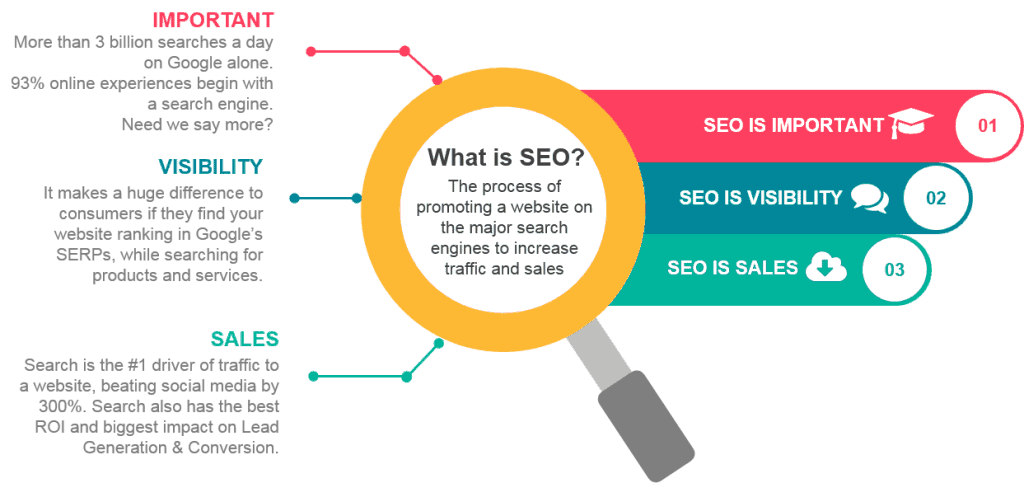
Why SEO is Important
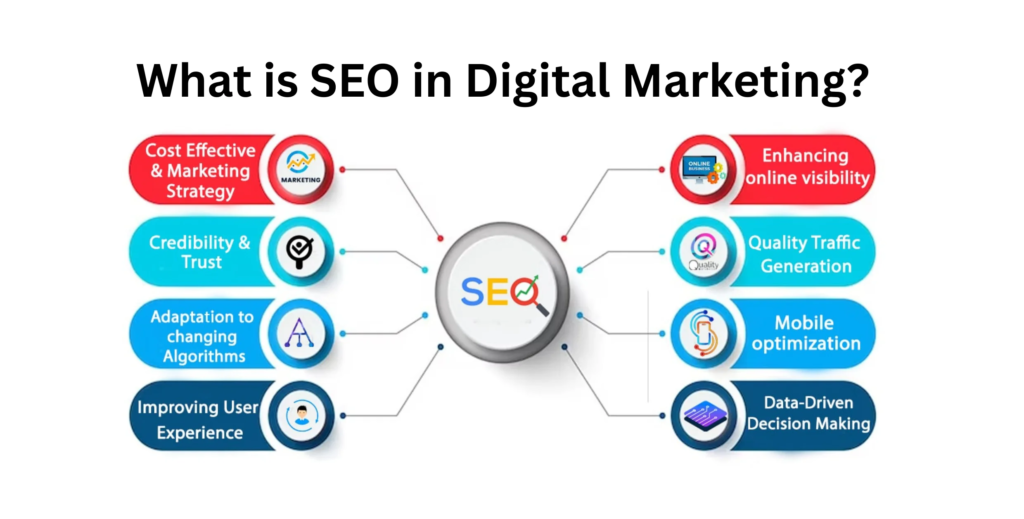
SEO is important because it helps businesses grow online without spending money on ads.
Here are some major benefits of SEO.
1. Increases Website Traffic
Websites ranking on the first page of Google get most of the clicks. Higher rankings bring more visitors.
2. Builds Trust and Credibility
People trust websites that appear on the top of search results. Good SEO helps build authority.
3. Generates Leads and Sales
SEO traffic converts better because users are already searching for the product or service.
4. Cost Effective Marketing
Unlike paid ads, SEO generates long-term traffic without continuous spending.
5. Improves User Experience
SEO also improves website speed, navigation, and content quality, which helps users.
Also Read: Must Have WordPress Plugins: Boost Your Website in 2026
How Search Engines Work
To understand SEO, you must know how search engines work.
Search engines follow three main processes.
1. Crawling
Search engines use bots (called crawlers or spiders) to discover new pages on the internet.
Example: Googlebot scans websites to find new content.
2. Indexing
After crawling, search engines store the content in their database. This process is called indexing.
If your page is indexed, it can appear in search results.
3. Ranking
Search engines analyze many factors to decide which pages should appear at the top.
These factors include:
- Content quality
- Website authority
- Page speed
- Backlinks
- User experience
The best pages get ranked higher.
Also Read: Best Free WordPress Plugins | Complete Guide for Beginners & Businesses
Types of SEO
SEO can be divided into several categories. Each plays an important role in ranking a website.
1. On Page SEO
On Page SEO refers to optimization done directly on the website pages.
It includes improving content, headings, images, and keywords.
Common On Page SEO practices include:
- Keyword optimization
- Title tag optimization
- Meta description writing
- Image alt tags
- Internal linking
- High quality content
On Page SEO helps search engines understand what your page is about.
2. Off Page SEO
Off Page SEO refers to activities done outside the website to improve its authority.
The most important part of Off Page SEO is backlinks.
Backlinks are links from other websites pointing to your website.
If many trusted websites link to your site, Google considers it reliable.
Common Off Page SEO techniques include:
- Guest posting
- Blog commenting
- Social media sharing
- Directory submission
- Influencer mentions
3. Technical SEO
Technical SEO focuses on improving the technical aspects of a website.
It helps search engines crawl and index the website easily.
Technical SEO includes:
- Website speed optimization
- Mobile friendliness
- XML sitemap
- Robots.txt
- SSL security
- Structured data (Schema)
A technically optimized website performs better in search results.
4. Local SEO
Local SEO helps businesses appear in local search results.
Example searches:
- “SEO agency near me”
- “Digital marketing institute in Indore”
Local SEO involves:
- Google Business Profile optimization
- Local citations
- Local keywords
- Customer reviews
It is very important for local businesses.
Keyword Research in SEO
Keyword research is the foundation of SEO.
Keywords are the words people type in search engines.
Example keywords:
- What is SEO
- SEO guide for beginners
- Learn SEO step by step
- SEO tutorial
Using the right keywords helps search engines match your content with user searches.
Popular keyword research tools include:
- Google Keyword Planner
- Ubersuggest
- Ahrefs
- SEMrush
- Google Trends
Choosing the right keywords increases the chances of ranking higher.
Important SEO Ranking Factors
Google uses more than 200 ranking factors to rank websites.
Some important ranking factors are:
Content Quality
Content should be helpful, informative, and original.
Keyword Optimization
Keywords should be placed naturally in titles, headings, and paragraphs.
Backlinks
High quality backlinks improve domain authority.
Website Speed
Fast loading websites rank better.
Mobile Friendly Design
Most searches happen on mobile devices.
User Experience
Good navigation and readable content improve engagement.
SEO Best Practices
If you want to rank your website on Google, follow these SEO best practices.
Write High Quality Content
Google prioritizes useful and valuable content.
Use Long Tail Keywords
Long keywords have less competition and higher ranking chances.
Example:
Instead of
SEO
Use
SEO guide for beginners
Optimize Titles and Meta Descriptions
These appear in search results and affect click rates.
Use Internal Links
Link your blog posts together to improve website structure.
Optimize Images
Use alt text and compress images for faster loading.
Update Content Regularly
Updating content keeps your website relevant.

Common SEO Mistakes to Avoid
Many beginners make mistakes that harm their SEO.
Avoid these common errors.
Keyword Stuffing
Using too many keywords can reduce ranking.
Duplicate Content
Search engines dislike copied content.
Ignoring Mobile Optimization
Websites must be mobile friendly.
Slow Website Speed
Slow websites increase bounce rate.
Not Using Internal Links
Internal links help search engines understand website structure.
How Long Does SEO Take?
SEO is a long-term strategy.
Usually it takes around:
- 3 to 6 months for noticeable results
- 6 to 12 months for strong rankings
The time depends on:
- Competition
- Content quality
- Website authority
- SEO strategy
Consistency is the key to SEO success.
Future of SEO
SEO is constantly evolving.
New technologies like Artificial Intelligence, voice search, and user experience optimization are shaping the future of SEO.
Search engines are becoming smarter and focus more on helpful content rather than keyword manipulation.
Websites that provide value to users will always rank higher.
FAQs
What is SEO in simple words?
SEO is the process of optimizing a website so that it appears higher in search engine results and gets more organic traffic.
Is SEO free?
Yes, SEO traffic is free because it comes from organic search results. However, tools and expertise may require investment.
Can beginners learn SEO?
Yes, anyone can learn SEO with proper practice and understanding of search engine algorithms.
How long does SEO take to work?
SEO usually takes 3 to 6 months to start showing results, depending on competition and strategy.
Is SEO better than paid ads?
SEO provides long-term traffic, while paid ads provide instant but temporary results.
Conclusion
SEO is one of the most powerful digital marketing strategies for growing a website or business online. By understanding how search engines work, optimizing your content, using the right keywords, and building quality backlinks, you can improve your website rankings.
SEO requires patience, consistency, and continuous learning. Websites that provide useful content and follow SEO best practices have a strong chance of appearing on the first page of Google.
If you are starting your digital journey, learning SEO can open many opportunities including blogging, freelancing, digital marketing jobs, and business growth.
Mastering SEO will help you drive organic traffic, build authority, and succeed in the competitive online world.