
When you’re running a website or promoting a brand online, one of the most effective off‑page factors you can work on is backlinks. In simple terms, abacklink is a link from one website to yours — and it acts like a vote of confidence from that site. Search engines — particularly Google — use links as a signal of trust and authority. The more reputable sites link to you, the more your site is likely to rank higher for relevant keywords.
For your website (and for your clients), strong backlinking means improved visibility, more organic traffic, and better brand credibility. This blog will walk you through how to create backlinks for SEO and the best backlink sites for SEO you should consider.
What Are Backlinks & How Do They Work
What is a backlink?
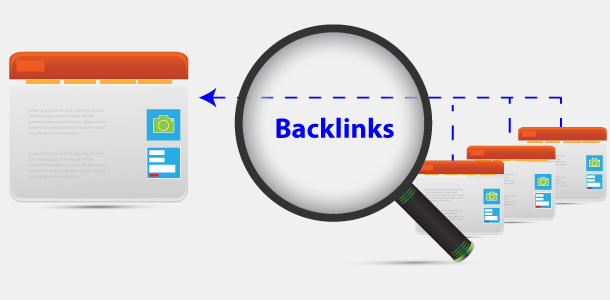
A backlink (also called an inbound link) is when another website links to your website or a page of your site.
Why they matter
- They signal to search engines that other sites trust your content.
- They help build your site’s authority, which is a ranking factor.
- They can drive referral traffic from other websites.
How search engines evaluate backlinks
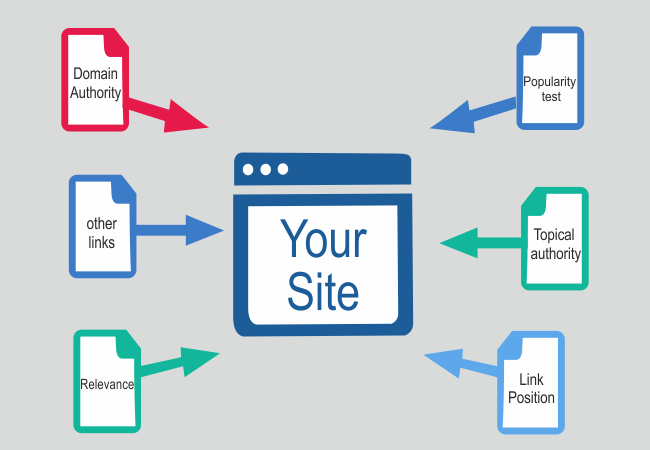
Not all backlinks are created equal. Search engines look at factors such as:
- Authority of the linking domain: A link from a highly trustworthy site carries more weight.
- Relevance: The linking site’s topic should be related to yours.
- Anchor text: The text used in the link matters (but avoid over‑optimising).
- Diversity of domains: Many links from many unique domains are better than many from the same domain.
- Do‑follow vs No‑follow: Do‑follow links typically pass “link juice”; no‑follow links less so (though they still can drive traffic).
How to Create Backlinks for SEO – Step‑by‑Step
Here’s a practical workflow you can follow (or implement for your clients) to build strong backlinks.
Preparation & Strategy
- Audit your current backlink profile: Use tools like Google Search Console or other backlink analysis tools to see who links to you, and what anchor text they use.
- Research your competition: See where your competitors are getting links from and identify gaps you can exploit.
- Define target pages: Which pages on your site are worth building links to? Usually your best content, services, or guides.
- Decide on outreach targets: Identify websites, blogs, directories, resource pages in your niche that might link to you.
Create Link‑Worthy Content
To attract backlinks, your content needs to be worth linking to. Some ideas:
- A deep “how‑to” guide or tutorial
- Original research or data
- Infographics, charts, visuals
- A resource page or list of tools
- A newsworthy piece or expert interview
When you create high‑value content, other websites will be more inclined to link naturally.
Outreach & Link Acquisition
Once your content is ready and you have a list of target sites, you can begin outreach:
- Guest blogging: Offer to write a relevant article for another site and include a link back to your site.
- Broken link building / Moving man method: Find pages with outdated or broken links and suggest your content as a replacement.
- Resource page link building: Find pages listing resources in your niche and ask to be included.
- Brand mention to backlink: If your brand is mentioned but not linked, reach out and request the link.
Best Practices & Things to Avoid
- Use descriptive, relevant anchor text rather than generic “click here” links.
- Ensure the link is crawlable (an
<a href>tag, etc.) so search engines can interpret it. - Avoid spammy link schemes (excessive exact‑match anchors, unrelated links, paid link spam) — these can be penalised.
- Focus on quality over quantity: One link from a good site often beats many from low‑quality sites.
- Monitor your backlink profile regularly — track new links, lost links, and malicious/spammy links.
Track, Measure & Refine
- Use Google Search Console or other tools to monitor increases in referring domains, link quality, anchor text distribution.
- See how new backlinks affect your organic traffic and keyword rankings.
- Remove or disavow harmful backlinks if needed (but only if truly necessary).
- Iterate your outreach: refine your list, try new content formats, build relationships.
Best Backlink Sites for SEO — Where to Get Them
When we say “best backlink sites for SEO”, we’re referring to the types of sites (and in some cases specific sites) that are good places to earn backlinks. The emphasis is on quality, relevance and authority. Here are some categories with examples:
Industry/Niche Blogs & Publications
These are blogs, magazines, journals or news‑sites in your field.
- Write guest posts on blogs that cover your niche.
- Get quoted or featured in industry‑specific publications (e.g., for marketing, digital‑agencies, SaaS).
These kinds of sites often carry high authority and relevance, making them excellent backlink sources.
Resource Pages & Lists
Many websites maintain lists of useful resources or “best‑of” links in their niche. If you can get your content included in those lists, you gain a valuable link.
- Example: A “Top Digital Marketing Agencies” list.
- Example: A “Best SEO Tools 2025” page.
These pages often accept suggestions or outreach.
Educational / Government / Authority Domains
Links from “.edu”, “.gov” or other highly credible domains can have strong impact — though they may be harder to acquire.
- Example: A university’s web‑page that lists tools or service providers.
- Example: A government portal that references services in your field.
While not always easy, these links are very valuable when done legitimately.
Guest Posting Platforms with Quality Sites
Rather than any cheap article farm, focus on guest opportunities on reputable sites.
- Find guest post opportunities where the audience matches your niche and where the site has good metrics (traffic, domain authority).
- Ensure the post is high‑quality and adds value — not just a “link dump”.
Business & Local Directories (for Local SEO)
If you serve local markets, getting listed (and linked) in respected business directories or local chambers can help. While individually these links may not be ginormous in authority, they help with relevance and visibility.
- Example: Local trade associations, business listings, regional service directories.
- Important: Ensure the directory is relevant and trustworthy (not spammy or list‑only).
Social Mentions & Community Sites
While many links from social platforms may be no‑follow (and thus limited in “link juice”), they still help with brand visibility and can indirectly lead to editorial links.
- Example: Social‑media posts linking to your content.
- Example: Forums, communities, Q&A sites where your content is referenced.
The goal: get people talking about your website — which can lead to further backlinks.
Example “Best Backlink Sites for SEO” Checklist
Here is a checklist of attributes you should look for when selecting sites:
- Relevance to your industry or niche.
- Good domain authority and traffic metrics.
- Natural audience and engagement (not just link farms).
- Good reputation (not penalised or spammy).
- Ideally a do‑follow link (or a mix of follow + no‑follow for a natural profile).
- Unique domain (not dozens of links from the same site).
Using this checklist helps ensure you are choosing the best backlink sites for SEO—not just any site with “link opportunity”.
Keypoints: What You Should Always Remember
- Backlinks = online endorsements. The better the endorser (site) and the more relevant it is, the better the backlink.
- Quality beats quantity: It’s far better to have fewer links from highly relevant, authoritative sites than many weak links.
- Relevance is critical: A link from a site in your niche carries more weight than an unrelated site.
- Anchor text matters, but avoid over‑optimisation. Natural wording is key.
- Avoid spammy/link‑scheme practices — these can hurt rather than help.
- A healthy backlink profile includes a mix of sources, domains, do‑follow and no‑follow links.
- Activities should be ongoing: building links is not a one‑time event but part of long‑term strategy.
- Monitor, measure and adapt.
Tips for Effective Backlink Building
Here are some actionable tips and “real‑world” pointers to help you or your clients get ahead.
- Create ‘link magnet’ content: Something people want to link to. For example: research reports, infographics, ultimate guides, original data.
- Personalise outreach: Reach out to website owners/authors by name; show how your content adds value to their readers. Generic “hey link to me” emails don’t work.
- Build relationships: Engage in your industry, comment on blogs, attend webinars, collaborate with peers. Real relationships often lead to legit link opportunities.
- Use the broken link method: Find broken/outdated links on other sites, then suggest your content as a replacement. It’s helpful for both you and the host site.
- Claim unlinked brand mentions: Use Google Alerts or tools to find where your brand is mentioned without a link — then ask for the link.
- Guest post with care: Write for sites that serve your target audience, and make sure your post is high‑quality, not just filler.
- Track your backlinks: Use tools to monitor new links, lost links, anchor text distribution and site authority. That helps you refine strategy and avoid harm.
- Be patient: Link‑building takes time. Results may not be immediate, but consistent effort pays off in the long run.
- Avoid shortcuts: Buying large volumes of low‑quality links, link farms, or automated schemes may trigger penalties.
- Diversify: Don’t rely on one type of link (e.g., only guest posts). Mix resource links, editorial mentions, directory links, and more.
- Focus on user value: Ultimately, the link‑recipient site’s reader should find your content useful. If it’s purely promotional, it’s less likely to succeed.
Why Choose SB Digital Marketing for Backlinking
At SB Digital Marketing, we specialise in delivering strategic link‑building services tailored for your business’s growth and authority in search engines. Here’s why working with us makes sense:
- Custom strategy – We design backlink plans that align with your niche, target audience and business goals, not just “any links”.
- Quality‑first approach – We prioritise high‑authority, relevant sites and real relationships over mass link‑spam.
- Transparency & reporting – You’ll receive clear reports on acquired backlinks, domain metrics, outreach status and outcomes.
- Ethical practices – We adhere strictly to search‑engine guidelines and avoid risky practices that could harm your site.
- Long‑term support – Backlink building is a marathon, not a sprint. We work with you for sustained growth, monitoring and refining the profile.
- Value‑driven content – We help you create link‑worthy assets (guides, infographics, research) that attract natural links and improve overall authority.
If you’re ready to boost your SEO with strong backlinks, our team at SB Digital Marketing is equipped to guide you every step of the way.
FAQ
Q1: How many backlinks do I need to rank?
There’s no fixed number. What matters more is the quality, relevance, and diversity of the backlinks. Many weak links won’t be as effective as a few high‑quality ones.
Q2: Can I buy backlinks?
While it’s technically possible, buying large volumes of low‑quality links is risky and can trigger penalties from search engines. It’s better to earn links naturally via outreach and valuable content.
Q3: Are no‑follow links useless?
No. While no‑follow links may not pass full “link juice”, they still help with brand visibility, referral traffic and a natural link profile. A mix of both do‑follow and no‑follow is healthy.
Q4: How long does it take to see results from backlinking?
Results vary. Some backlinks may boost visibility relatively quickly if they are from strong sites, but generally link‑building is a medium to long‑term effort. Patience and consistency are key.
Q5: Can I remove or disavow bad backlinks?
Yes. If you identify spammy or irrelevant backlinks that may harm your site’s reputation, you can attempt to remove them and if necessary use the disavow tool (with caution).
Conclusion
Building backlinks for SEO is one of the most powerful levers you can pull when looking to improve your website’s ranking and authority. It’s not simply about getting lots of links — it’s about securing the right links: from relevant, authoritative, trustworthy sources. By following a structured process — create link‑worthy content, identify the best backlink sites for SEO, execute smart outreach, monitor your results — and by avoiding shortcuts or spammy tactics, you’ll be setting your site (or your clients’ sites) up for long‑term SEO success.
If you’re ready to elevate your link‑building strategy and harness the full potential of backlinks for SEO, the team at SB Digital Marketing is ready to partner with you and make it happen.